
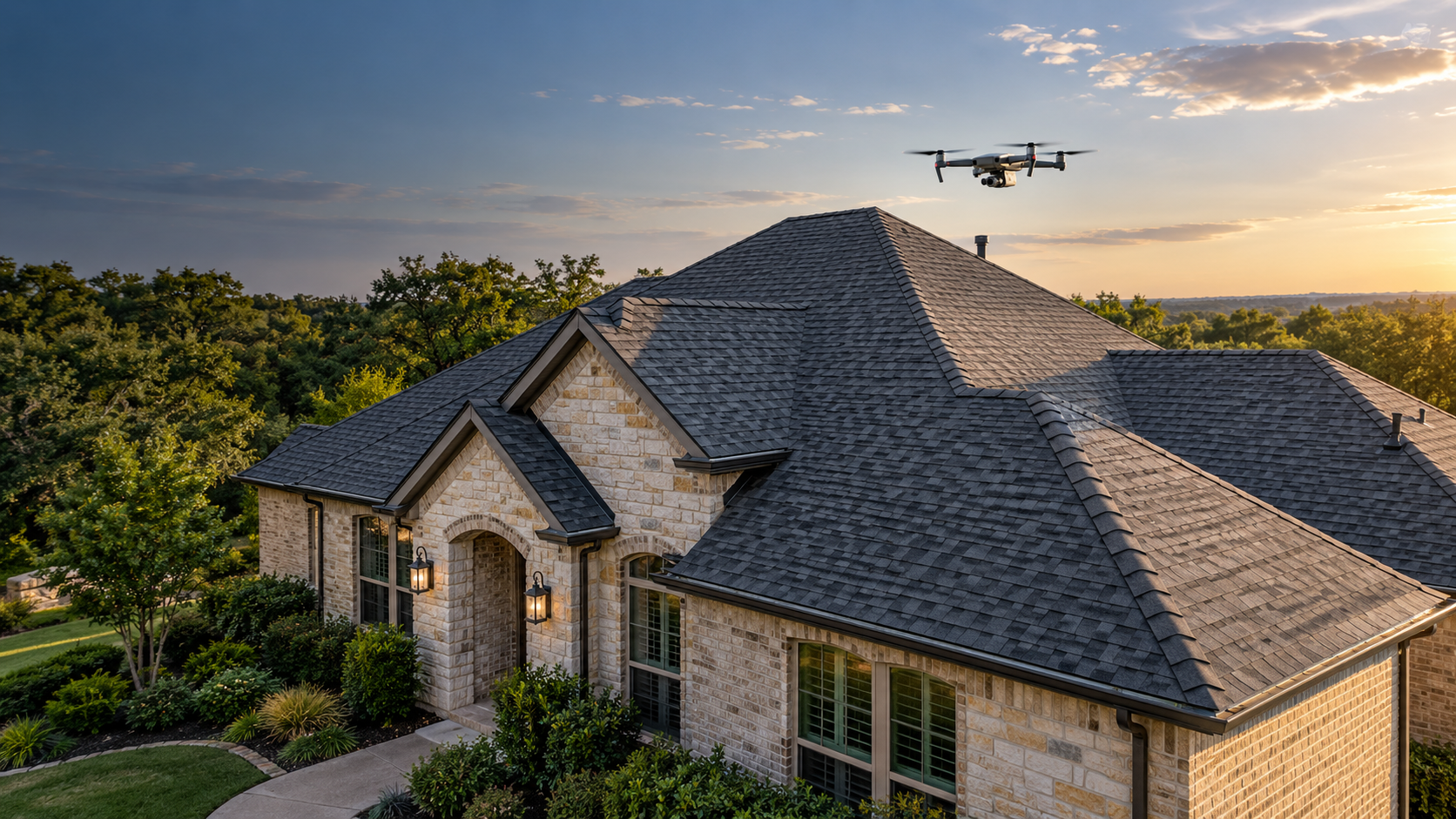
Free Roof Inspection in North Texas
Comprehensive, photo-documented roof inspections using high-resolution drone imagery — always free, always honest, and never high-pressure. Know exactly what your roof needs before problems become expensive.
No pressure. No obligation. Just honest answers.
Schedule Your Free Roof Inspection
Choose a day and time that works for you.
Scout Dashboard
Your Roof Inspection, Documented in Your Scout Dashboard
After every inspection, you receive access to your Scout profile — a visual record of your roof's condition, organized by area, with photos, findings, and recommendations you can review anytime.
Your roof is monitored
Scout Roof Intelligence
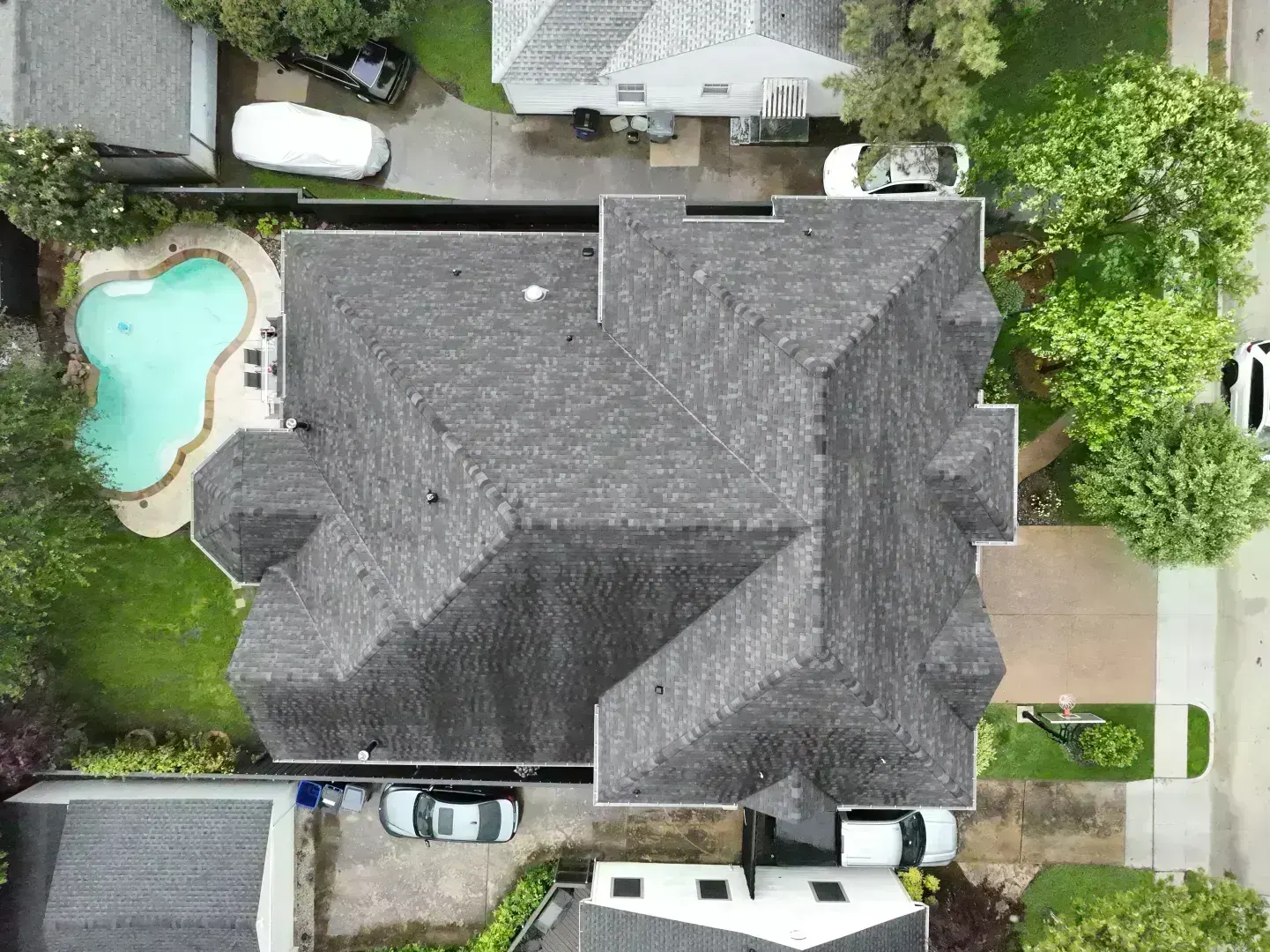
Drone
Imagery
By Area
Findings
Report
Access
Your Scout profile organizes inspection photos by roof area, shows condition findings, flags items needing attention, and includes repair, replacement, or monitoring recommendations.
Drone Photo Archive
Every slope, ridge, and penetration captured in high resolution
Overview North Slope
 East Slope
 Flashing
 Ridge
 Ventilation
Photos archived by roof area — available for insurance documentation and future comparison
Organized Findings
Observations sorted by roof area with condition ratings and photos for each.
Clear Recommendations
Monitor, repair, or replace — with reasoning and a transparent estimate if work is needed.
Baseline for Future Comparison
Your first inspection establishes a baseline. Future inspections compare against it to detect changes.
Scout access included with every inspection at no cost
Detailed Coverage
What a RoofDog Inspection Covers
Every inspection evaluates 17 specific areas of your roof system. Here is what we check, why each finding matters, and any limitations in what a drone-based inspection can see.
Shingles & Surface
Shingle Condition
What We Evaluate
Overall age, granule retention, blistering, and wear patterns across every slope — documented with high-resolution drone imagery.
Why It Matters
Granule loss exposes the asphalt mat to UV, accelerating failure. Blistering and cracking indicate advanced heat degradation. Understanding the baseline condition tells us how much useful life remains.
Inspection Limitations
Drone imagery shows surface condition clearly. Concealed damage beneath shingles or underlayment cannot be seen without removal, which is outside the scope of a free inspection.
Missing, Cracked, Curled, or Lifted Shingles
What We Evaluate
We identify shingles that are missing, cracked, curled at the edges, or lifted from the self-seal strip — and document the location and extent.
Why It Matters
Missing shingles expose underlayment and decking to direct water. Cracked or curled shingles have lost their weather seal. Lifted tabs allow wind-driven rain underneath. Each is a potential leak path.
Inspection Limitations
We identify surface-visible defects from drone imagery. Shingles that appear sealed from above may have partial adhesion that is not detectable without physical contact.
Hail Impact Indicators
What We Evaluate
We look for bruising, fractured mats, granule displacement, and starburst patterns — the specific damage signatures that insurance carriers evaluate.
Why It Matters
Hail damage is often invisible from the ground but shortens roof life significantly. Documenting these indicators promptly after a storm is important for insurance purposes, as most policies require timely reporting.
Inspection Limitations
Small hail strikes can be difficult to distinguish from manufacturing imperfections or normal wear in drone imagery. If hail damage is suspected, we note it for closer evaluation.
Wind Damage Indicators
What We Evaluate
We check for creased tabs, broken seal strips, shingles lifted at edges, and patterns that correlate with wind direction — indicators that wind has compromised the roof system.
Why It Matters
North Texas routinely sees 60+ mph winds. Once tabs are creased or seals are broken, rain enters under shingles and follows the decking slope into the building. Wind damage is often progressive — what starts as a lifted tab becomes a missing shingle in the next storm.
Inspection Limitations
We document visible wind indicators from drone imagery. Shingles that appear flat may have weakened seals that would only be confirmed by physical testing, which is not part of a standard drone inspection.
Flashing, Penetrations & Waterproofing
Ridge Caps & Hip Lines
What We Evaluate
We examine ridge cap shingles and hip lines for proper installation, sealing, and damage. These are the highest-stress areas for wind.
Why It Matters
Ridge caps are the first to fail in high winds. Lifted or missing caps expose the ridge vent and create a direct path for water entry along the roof's highest line.
Inspection Limitations
Ridge cap underlayment and fastener condition are not visible from drone imagery alone.
Flashing
What We Evaluate
We inspect step flashing, headwall, sidewall, counter-flashing, and drip edge for gaps, corrosion, failed sealant, and proper overlap.
Why It Matters
Flashing is where most roof leaks originate. Failed sealant, lifted edges, or corroded metal allow water behind the flashing and into the wall or attic. Flashing problems are repairable without replacing the roof if caught early.
Inspection Limitations
Flashing that is concealed behind siding, chimneys, or skylight trim cannot be fully evaluated from drone imagery. We flag areas that need closer inspection.
Valleys
What We Evaluate
We inspect valley metal or woven valley shingles for wear, debris buildup, corrosion, and proper water flow.
Why It Matters
Valleys carry the most concentrated water flow on the roof. Debris traps moisture, corroded metal develops pinhole leaks, and lifted edges create a path for water to escape under the valley system.
Inspection Limitations
Valley underlayment condition is not visible without removing the valley metal or shingles.
Pipe Boots & Plumbing Vents
What We Evaluate
We check rubber and lead pipe boots for cracking, UV breakdown, gaps around the pipe, and proper flashing integration.
Why It Matters
Rubber pipe boots crack from UV exposure within 7-10 years. A cracked boot allows water to run directly down the pipe into the attic — one of the most common and preventable leak sources in DFW homes.
Inspection Limitations
The seal between the boot and the pipe may appear intact from above while allowing water intrusion at the base. We flag aging boots for replacement.
Chimneys
What We Evaluate
We inspect chimney flashing (step, counter, and saddle), cricket condition if present, mortar joints, and chimney cap.
Why It Matters
Chimney flashing is a high-risk leak area. Deteriorated mortar, failed sealant, or lifted flashing allows water behind the chimney and into the attic or living space. Chimney problems can exist independently of roof condition.
Inspection Limitations
Interior chimney structure, flue condition, and flashing concealed behind siding are outside the scope of a roof inspection. A chimney specialist may be recommended for structural concerns.
Skylights
What We Evaluate
We check skylight flashing, curb condition, sealant, and the surrounding shingle integration.
Why It Matters
Skylights are a frequent leak source. Failed sealant, lifted flashing, or improper shingle integration allows water to pool and penetrate. Leaks around skylights can mimic roof leaks but originate at the skylight assembly.
Inspection Limitations
Interior skylight frame condition and condensation between panes are not evaluated during a roof inspection.
Other Roof Penetrations & Attachments
What We Evaluate
We inspect turbines, powered vents, satellite mounts, solar panel attachments, HVAC curbs, and exhaust vents for secure mounting, proper flashing, and sealant condition.
Why It Matters
Every penetration through the roof surface is a potential water entry point. Loose mounts, failed sealant, or improper flashing allow water in during rain. Solar and satellite attachments are often installed by trades other than roofers and may not be properly flashed.
Inspection Limitations
Fastener condition beneath attachments and sealant under mounting plates are not visible from drone imagery.
Drainage, Structure & System Health
Gutters & Drainage
What We Evaluate
We assess gutter condition from the roofline — checking for sagging, overflow signs, debris buildup, downspout placement, and whether gutters are properly sized for the roof area.
Why It Matters
Overflowing or undersized gutters send water down siding and toward the foundation. Poor drainage causes soil erosion, staining, and potential foundation issues. Gutter problems can cause symptoms that look like roof leaks but originate at the gutter system.
Inspection Limitations
We assess gutter condition from the roofline. A full gutter cleaning and internal inspection is a separate service if needed.
Visible Decking & Structural Concerns
What We Evaluate
We look for visible sagging, uneven roof planes, and areas where decking may be compromised — indicators of potential structural issues.
Why It Matters
Sagging indicates decking deterioration, rafter issues, or structural movement. These are not cosmetic problems — they can progress to structural failure if not addressed. Decking condition directly affects replacement scope and cost.
Inspection Limitations
Decking condition beneath intact shingles cannot be assessed without removal. We flag suspected areas for evaluation during any future replacement. Soft spots are not detectable through drone imagery.
Attic Ventilation
What We Evaluate
When attic access is available and the homeowner requests it, we check intake and exhaust ventilation balance, soffit vent blockages, and signs of excess heat or moisture on the underside of the decking.
Why It Matters
Inadequate ventilation is one of the most common causes of premature shingle failure in North Texas. Attic temperatures exceeding 150 degrees bake shingles from underneath. Many manufacturer warranties require balanced ventilation to remain valid. Moisture in the attic promotes mold and accelerates decking rot.
Inspection Limitations
Attic inspection is included when access is available and the homeowner requests it. If attic access is limited, blocked, or the homeowner does not request it, ventilation is assessed from exterior indicators only. We can schedule a separate attic assessment if needed.
Active or Previous Leak Indicators
What We Evaluate
We look for water staining on shingles, dark streaks following water paths, displaced granules in gutters, and visible drip marks or moisture at penetrations.
Why It Matters
Water follows the path of least resistance, which is often not where the visible stain appears. Identifying the entry point is the first step in determining whether a repair or replacement is needed. Previous leak evidence helps us recommend the right scope of work.
Inspection Limitations
Active leaks inside the home may not be visible from the roof surface. Interior staining, attic moisture, and ceiling damage are best reported by the homeowner during the inspection booking.
Reported Interior Ceiling Stains
What We Evaluate
We document any interior ceiling stains, wall discoloration, or attic moisture that the homeowner reports. This information helps us trace the likely roof entry point.
Why It Matters
Interior stains confirm that water has reached living spaces. The location of the stain relative to roof features (chimneys, vents, valleys) helps narrow the source. This is critical context for recommending the right repair.
Inspection Limitations
We do not enter the home or inspect interior spaces during a standard roof inspection unless the homeowner specifically requests it and access is available. Interior observations are based on homeowner-reported information.
Estimated Remaining Roof Life
What We Evaluate
Based on all findings — shingle condition, age, damage extent, ventilation, and wear patterns — we provide an informed estimate of how many years of useful life the roof likely has under normal conditions.
Why It Matters
This estimate helps you plan. If the roof has 10+ years of remaining life, a repair may be the right call. If it has 2-3 years, planning for replacement makes more sense. This is one of the most valuable pieces of information a free inspection provides.
Inspection Limitations
This is an informed estimate based on visible condition, not a guarantee. Actual roof life depends on future weather events, maintenance, ventilation, and factors we cannot see. We explain the basis for our estimate in the report.
When & Why to Book
Reasons to Schedule a Free Inspection
Different situations call for an inspection for different reasons. Here is what an inspection helps you understand in each scenario.
After Hail or High Winds
A post-storm inspection documents damage while it is fresh — before insurance reporting windows close and before damage worsens.
You learn whether the storm caused functional damage that warrants an insurance claim or cosmetic wear that does not. If damage exists, we provide photo documentation in a format your carrier can use. If the roof weathered the storm well, you gain peace of mind.
Leaks or Visible Damage
If you have ceiling stains, attic moisture, dripping, or missing shingles visible from the ground, an inspection traces the source and recommends the fix.
You learn where water is entering, what is causing it, and whether a targeted repair or a larger scope is needed. We do not automatically recommend replacement — many leaks are repairable flashing or pipe boot failures.
Before Buying a Home
A pre-purchase roof inspection gives you an independent, photo-documented assessment of the roof's condition before you commit.
You learn the roof's estimated remaining life, any existing damage, and whether replacement should be factored into your offer or negotiation. This is separate from a general home inspection and provides roof-specific detail that home inspectors typically do not provide. We do not replace your general home inspector — we complement them with specialized roof expertise.
Pre-Listing Inspections for Sellers
A pre-listing inspection identifies issues before a buyer's inspector finds them, giving you time to address or disclose proactively.
You learn whether the roof will pass a buyer's inspection, what to expect in negotiations, and whether a repair or disclosure is the better strategy. A clean roof report can be a selling point in your listing.
Documentation for Real Estate Agents
Agents can request a RoofDog inspection to provide clients with independent roof condition information during transactions.
Your client receives a photo-documented report with an estimated remaining life and any recommended actions. This supports informed negotiations and reduces transaction surprises. Agents can refer clients through our Scout agent program for ongoing roof intelligence.
Insurance or Renewal Questions
If your insurance carrier is asking about your roof's condition, considering non-renewal, or you are reviewing your coverage, an inspection provides documentation.
You receive a current, photo-documented condition report that you can share with your carrier or agent. We do not determine your coverage, guarantee renewal, or promise a claim outcome — those decisions are made by your insurance carrier. But our documentation gives you evidence to support your position.
Routine Check for Aging Roofs
If your roof is 10-15+ years old and has never been professionally evaluated, a baseline inspection establishes its current condition.
You learn whether the roof is aging normally for North Texas conditions or showing accelerated wear. This baseline is valuable for planning, for future insurance conversations, and for comparison if a storm hits later. Through Scout, we can monitor condition over time with periodic re-inspections.
The Process
From Booking to Your Scout Report
Book Online or Call
Choose a day and time through our online scheduler, or call 940.828.ROOF. We serve the greater DFW area. There is no cost and no obligation.
Drone Inspection
Our inspector arrives and captures high-resolution drone imagery of every slope, ridge, valley, penetration, and flashing detail. We also document any homeowner-reported interior concerns.
Photo-Documented Report
You receive a detailed report with organized photos by roof area, condition notes, identified issues, and an estimated remaining roof life. Access is delivered through your Scout profile.
Findings Explanation
We walk you through the findings in plain English — what is fine, what needs attention, and what to plan for. You can ask questions and take your time deciding.
Optional Next Steps
If work is recommended, we provide a transparent estimate. If the roof is in good condition, we say so. You decide the pace — no pressure, no obligation.
Your Recommendation
Monitor, Repair, or Replace
Every inspection produces one of three recommendations. We explain the reasoning, and you decide the pace.
Monitor
The roof is in acceptable condition for its age. We found minor issues that do not require immediate action but should be tracked over time.
We document the current state as a baseline. Through Scout, future inspections compare against this baseline to detect changes — new hail damage, accelerated wear, or developing problems. You receive a recommendation for when to re-inspect, typically in 6-12 months depending on roof age and condition.
When this applies: Roof has useful life remaining, damage is minor or cosmetic, or the roof weathered a recent storm without functional damage.
Repair
The roof has a specific, repairable problem. A targeted fix will address the issue without needing a full replacement.
We identify the exact repair needed — a cracked pipe boot, failed flashing, a few damaged shingles, a valley issue — and provide an itemized repair estimate. Repairs are typically completed in a single visit. We document the repair with before and after photos and explain what to watch for in the future.
When this applies: Damage is localized, the roof has good remaining life, and the problem is a specific component failure rather than system-wide wear.
Replace
The roof has reached end of life, damage is too widespread for repair, or an insurance adjuster has documented storm damage across multiple slopes.
We explain why replacement is the recommendation with photo evidence, provide a transparent replacement estimate, and walk you through material options, timelines, and warranty. If insurance is involved, we explain the documentation we provide and the adjuster meeting process. We do not push replacement when a repair is the right answer.
When this applies: Widespread damage, roof at end of effective life, multiple recurring leaks, or an adjuster has approved full replacement.
10% of all profits donated to local dog rescues. Every inspection supports local no-kill rescues across North Texas.
Learn moreRoof Inspection FAQs
Common questions about our free roof inspections, Scout access, and what to expect.
Is a RoofDog roof inspection really free?
What does a roof inspection include?
How do you inspect the roof? Do you walk on it?
How long does an inspection take?
What is Scout and how do I access my inspection information?
Do you inspect the attic?
When should I schedule a roof inspection?
Should I get my roof inspected after hail?
Can a roof inspection help with insurance?
Will you pressure me into a roof replacement?
What happens after the inspection?
Do you replace a general home inspection?
What areas do you serve?
Related services that may be helpful:
Looking for an inspection in your city? Browse our service areas:
Book Your Free Roof Inspection
Choose a day and time that works for you. Drone imagery, photo-documented findings, Scout dashboard access, and honest answers — all at no cost.