How Long Do Roofs Last in Westlake, TX?
Short answer: In Westlake, TX, the premium roof systems that dominate estates in Vaquero, Terra Bella, and Glenwyck Farms — natural and synthetic slate, clay and concrete tile, and standing-seam metal — routinely last 50 to 100+ years. The catch: the surface material almost always outlives the underlayment, flashing, and fasteners beneath it. In North Texas hail country, the real question isn't "when does the slate wear out?" but "when does the hidden layer beneath it fail?"
Why Westlake is different: This isn't a starter-home market. Westlake consistently ranks among the wealthiest towns in Texas, and its housing stock reflects that — gated custom estates built to exacting architectural standards, where a roof is both a 50-year investment and a defining aesthetic feature. Homeowners here don't ask "what's cheapest?" They ask "what lasts longest and looks right?"
Table of Contents
- Westlake's climate and DFW hail exposure
- The Westlake estate housing stock
- How long each premium roof lasts
- The underlayment: the real lifespan limiter
- Cosmetic vs. functional hail damage on high-value roofs
- Why Westlake homeowners invest in 50+ year systems
- White-glove inspection advice
- Frequently asked questions
Westlake's climate and DFW hail exposure
Westlake sits in the heart of North Texas, on the Tarrant/Denton county line, and shares the same punishing roof climate as the rest of the Dallas–Fort Worth metroplex. Long, brutal summers push attic and roof-deck temperatures well past 150°F. UV exposure is relentless. And then there's the hail — DFW sits squarely in what insurers call "hail alley," and Westlake catches the same spring storm systems that batter Southlake, Keller, and Trophy Club just a few minutes away.
Wide daily temperature swings drive constant thermal expansion and contraction. That cycle is hard on every component of a roof, but it's especially hard on the sealants, fasteners, and flashing that hold a premium system watertight. A slate tile doesn't care about a 40-degree temperature swing. The copper flashing in the valley beneath it does. For the metro-wide picture, see our guide on how long roofs last in Texas.
The Westlake estate housing stock
Drive through Vaquero or Terra Bella and you won't see a single three-tab asphalt shingle. Westlake's custom estates were designed with roofs meant to last generations and to satisfy strict architectural control committees. The dominant systems are the longest-lived money can buy:
- Natural slate — quarried stone, the gold standard for permanence and prestige.
- Synthetic slate — engineered polymer tiles that mimic slate at a fraction of the weight, popular on newer builds.
- Clay and concrete tile — barrel and flat profiles suited to the Mediterranean and Tuscan estate styles common here.
- Standing-seam and stone-coated metal — increasingly specified on contemporary custom homes.
These materials share a defining trait: the visible surface can outlast the people who installed it. That changes the entire conversation about roof lifespan in Westlake.
How long each premium roof lasts in Westlake
| Roof system | Surface lifespan | Practical Westlake lifespan* |
|---|---|---|
| Natural slate | 75–150+ years | 50–100 years (underlayment-limited) |
| Synthetic slate | 50–75 years | 40–60 years |
| Clay tile | 75–100 years | 50–75 years (underlayment-limited) |
| Concrete tile | 50–75 years | 40–60 years |
| Standing-seam metal | 50–70 years | 40–60 years |
*Practical lifespan accounts for North Texas hail, UV, and — most importantly — the underlayment beneath the surface. See our deep dives on how long slate roofs last in Texas and how long synthetic slate roofs last in Texas.
The underlayment: the real lifespan limiter
Here's the single most important thing a Westlake homeowner should understand: your slate or tile will almost certainly outlast the underlayment beneath it. The stone or clay is the umbrella; the underlayment is the raincoat underneath. When the raincoat fails, water gets in — no matter how pristine the surface looks.
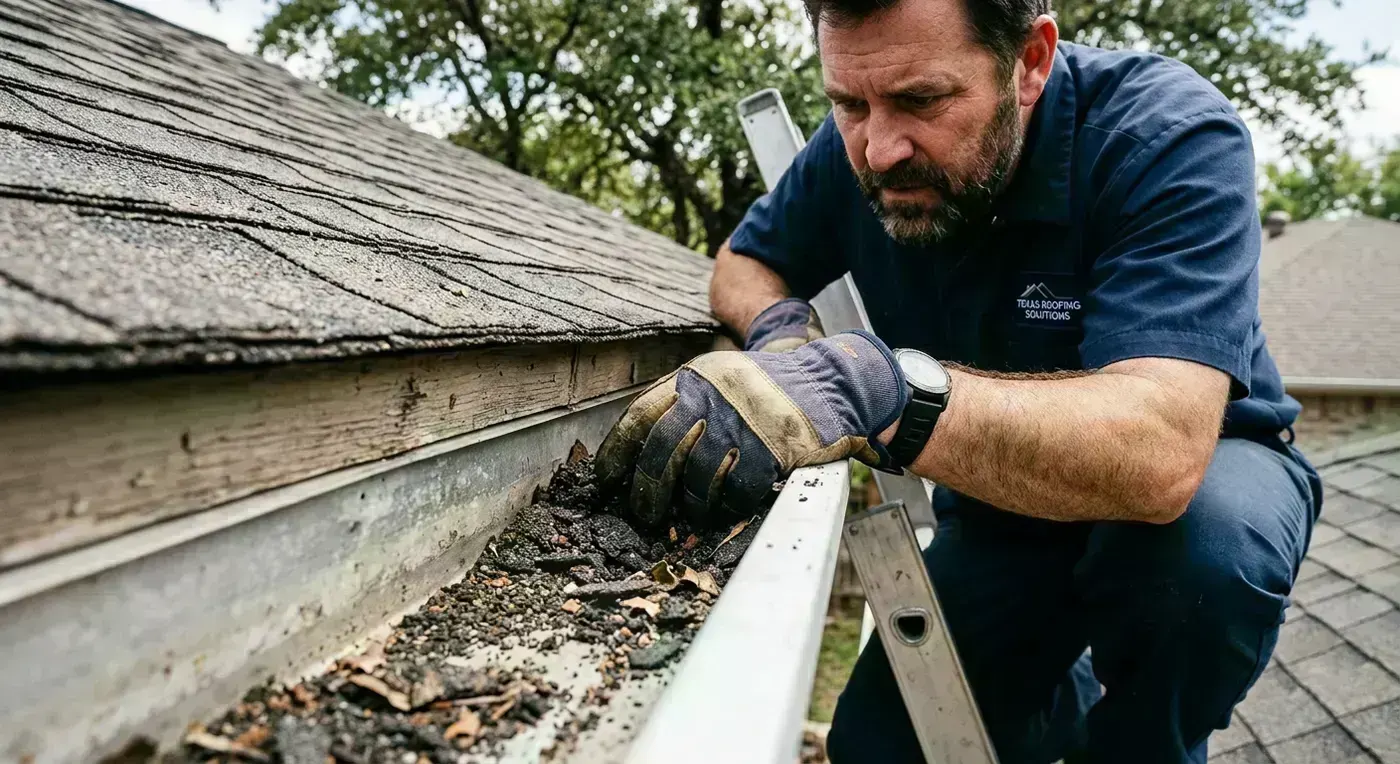
Older estates were often built with felt (organic bitumen-saturated paper) underlayment rated for maybe 20–30 years. When that felt dries out, cracks, and loses its water resistance in the North Texas heat, the roof can start leaking even though the slate above it has another 60 years of life left. This is why so many premium Westlake roofs need a "tear-off and relay" — carefully removing the slate or tile, replacing the underlayment and flashing, and re-laying the original surface material.
What actually fails first, in order: (1) underlayment, (2) metal flashing in valleys and around penetrations, (3) fasteners and battens, (4) mortar/ridge detailing on tile. The slate or tile surface itself is usually last on the list. A quality synthetic underlayment installed today can push the relay interval to 40–50 years.
Cosmetic vs. functional hail damage on high-value roofs
Hail is where Westlake's premium roofs get complicated — and where homeowners lose the most money to bad advice. On a high-value slate or tile roof, there is a critical distinction between cosmetic and functional hail damage:
- Functional damage — cracked or shattered slate/tile, punctures, or impact that compromises the water barrier. This must be repaired promptly to protect the underlayment.
- Cosmetic damage — surface pockmarks, chipped edges, or spatter on metal that looks bad but doesn't affect performance. On a natural slate roof, a spall that doesn't crack through is often purely aesthetic.
This matters enormously in Westlake because the aesthetic standards are so high — a homeowner and their insurer can disagree sharply over whether hail-marred tile is "damaged." Many high-value policies now carry cosmetic-damage exclusions on tile and metal, so knowing which category your damage falls into before you file is essential. A slate tile can also be cracked in a way that's invisible from the ground but obvious from a proper close inspection — which is exactly why drone and hands-on inspections matter here.
Why Westlake homeowners invest in 50+ year systems
In most of North Texas, a homeowner replaces an asphalt shingle roof every 15–20 years and moves on. In Westlake, the math and the motivation are different:
- Architectural control. Communities like Vaquero enforce material and color standards. You can't just slap on the cheapest shingle — the roof has to fit a multi-million-dollar aesthetic.
- Total cost of ownership. A slate roof that lasts 75 years is cheaper per year than four asphalt roofs over the same period.
- Resale and prestige. On a Westlake estate, a genuine slate or clay tile roof is a selling feature, not just weather protection.
- Storm resilience. Premium systems, properly installed, shrug off hail and wind that would total a shingle roof.
The investment only pays off, though, if the hidden layers are maintained on schedule. That's the part homeowners forget.
White-glove inspection advice for Westlake estates
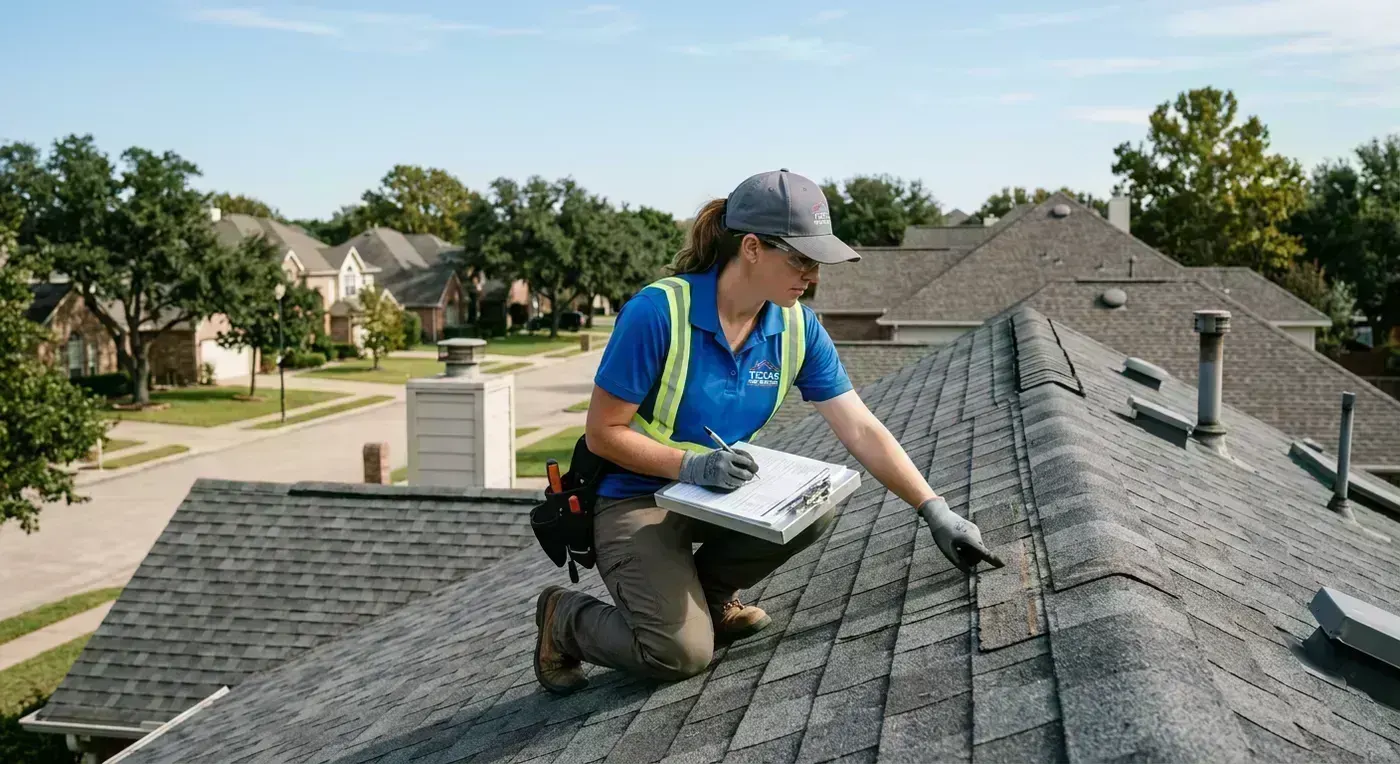
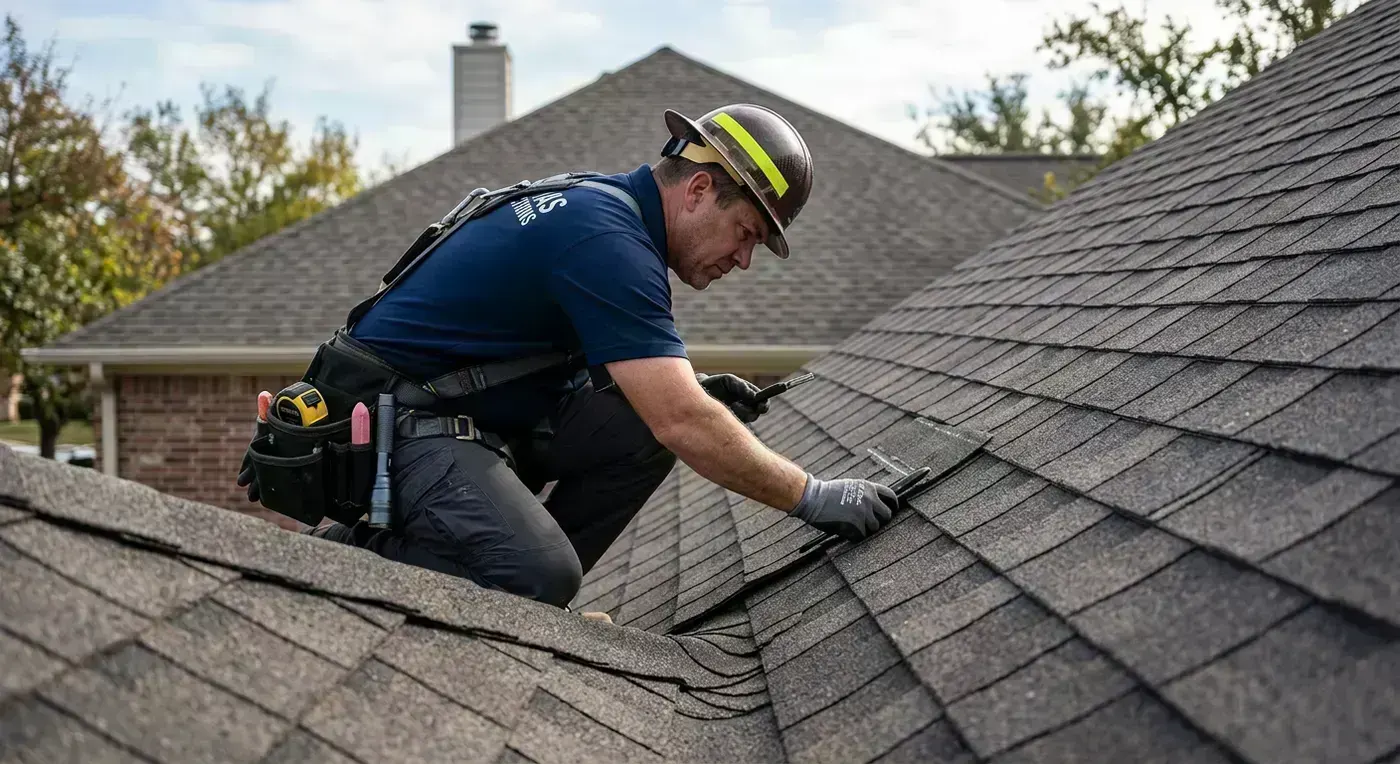
Premium roofs demand a premium inspection process. Walking a natural slate roof carelessly can crack tiles and create the very damage you're inspecting for — so how the roof is examined matters as much as who examines it.
At RoofDog, we use drone inspections to document every square foot of a Westlake estate roof in high resolution without a single boot touching fragile slate or tile — capturing cracked tiles, flashing separation, and underlayment exposure that are invisible from the ground. We back our work with a lifetime workmanship warranty, and we serve the town directly through our Westlake, TX roofing team. Recommended cadence for premium roofs:
- Annual drone inspection, plus a post-storm inspection after any significant hail event.
- Detailed underlayment and flashing assessment every 5 years on roofs older than 20 years.
- Full moisture and attic-side evaluation when buying or selling an estate.
RoofDog — Protecting Homes. Saving Dogs. We donate 10% of our profits to dog rescues across North Texas. Schedule a white-glove estate roof inspection at roofdog.com/schedule or call 940.828.ROOF.
Frequently asked questions
How long does a natural slate roof last on a Westlake estate?
The slate itself can last 75–150 years, but in Westlake the practical lifespan is usually governed by the underlayment and flashing beneath it — typically 50–100 years before a tear-off and relay is needed.
Why would my Westlake slate roof leak if the slate is fine?
Because the underlayment beneath the slate has failed. Old felt underlayment dries out and cracks in the North Texas heat, letting water in even when the visible slate is in perfect condition.
Is synthetic slate a good choice for Vaquero or Terra Bella homes?
Often yes. Synthetic slate offers a 40–60 year lifespan, far less weight than natural stone, and strong hail resistance — but check your community's architectural guidelines, as some HOAs specify natural materials.
Does DFW hail total premium roofs like it does asphalt shingle roofs?
Rarely in the same way. Slate, tile, and metal are far more hail-resistant, but they can suffer functional cracks or spalls. The bigger issue in Westlake is often distinguishing cosmetic from functional damage for insurance purposes.
What's the difference between cosmetic and functional hail damage?
Functional damage compromises the roof's water barrier — cracked tiles, punctures, breached underlayment — and must be repaired. Cosmetic damage, like surface pockmarks or spatter, looks bad but doesn't affect performance.
Will my insurance cover cosmetic hail damage on a tile roof?
Increasingly, no. Many high-value North Texas policies carry cosmetic-damage exclusions on tile and metal roofs. It's important to know which category your damage falls into before filing a claim.
How often should I inspect a premium roof in Westlake?
Annually, plus after any significant hail storm. Roofs older than 20 years should also get a detailed underlayment and flashing assessment every five years.
Can inspecting my slate roof actually damage it?
Yes — walking carelessly on natural slate or clay tile can crack it. That's why RoofDog uses drone inspections to document the entire roof in high resolution without putting weight on fragile surfaces.
What is a "tear-off and relay" and will I need one?
It's the process of carefully removing your slate or tile, replacing the worn underlayment and flashing, and re-laying the original surface material. Most premium Westlake roofs need this once every 40–75 years even if the slate is fine.
Does a slate or tile roof add value to a Westlake home?
Absolutely. On an estate in Vaquero, Glenwyck Farms, or Terra Bella, a genuine slate or clay tile roof is a recognized selling feature and part of the home's architectural identity.
How does Westlake's climate affect roof lifespan?
Extreme summer heat, intense UV, wide daily temperature swings, and spring hail all stress a roof. Premium surfaces handle it well, but the sealants, fasteners, and flashing beneath them wear faster and set the real replacement clock.
Does RoofDog service Westlake specifically?
Yes. RoofDog serves Westlake, TX directly with drone inspections and a lifetime workmanship warranty. Call 940.828.ROOF or visit our scheduling page to book an estate roof inspection.
Summary
In Westlake, TX, premium roofs — natural and synthetic slate, clay and concrete tile, and standing-seam metal — are built to last 50 to 100+ years, matching the town's ultra-luxury estate standards. But the surface material almost always outlives the underlayment, flashing, and fasteners beneath it, which are the true lifespan limiters in the North Texas heat-and-hail climate. Homeowners in Vaquero, Terra Bella, and Glenwyck Farms invest in these systems for architectural conformity, resale value, and storm resilience — but the payoff depends on regular, careful inspection and timely underlayment relays. Understanding cosmetic versus functional hail damage protects both your roof and your insurance position. RoofDog serves Westlake with non-invasive drone inspections and a lifetime workmanship warranty. Protecting Homes. Saving Dogs. — call 940.828.ROOF.
You Might Also Need
Need a Roof Inspection?
Get expert advice and a free estimate from North Texas's trusted roofing professionals.
Schedule Free Inspection