How Long Do Roofs Last in Celina, TX?

Short answer: Most roofs in Celina, TX are brand-new builder-grade architectural asphalt shingles, and out here on the open prairie they'll realistically give you 15 to 22 years — not the 25–30 the packaging promises. Relentless North Texas wind, regular DFW hailstorms, and thin builder-grade installs shave years off the theoretical lifespan. Homeowners who upgrade to impact-resistant Class 4 shingles and get inspected every couple of years can push realistically toward the upper end.
Table of contents
- Celina's climate and why it matters for roofs
- DFW hail exposure
- Extreme open-country wind
- A city of brand-new roofs: what to expect
- Builder-grade roof quality
- Class 4 upgrade options
- Common problems in Celina
- Inspection advice for new homes
- Frequently asked questions
- Summary
Celina's climate and why it matters for roofs
Celina sits at the northern edge of the Dallas–Fort Worth metroplex, on the flat blackland prairie of northern Collin County. This is North Texas at its most exposed: long, punishing summers where surface temperatures on a dark shingle can climb well past 150°F, followed by sudden cold snaps and the occasional ice event. That daily and seasonal thermal cycling is hard on asphalt. Shingles expand and contract, the volatile oils that keep them flexible bake off, and granules loosen. This slow "thermal fatigue" is happening to every roof in town at roughly the same pace, because almost every roof went on within the last decade.
The wider Texas picture is covered in our guide to how long roofs last in Texas. Celina's twist is that it combines the worst of the DFW hail corridor with something most metroplex suburbs don't have: wide-open, treeless terrain.
DFW hail exposure
Celina is squarely inside "Hail Alley." North Texas is one of the most hail-prone regions in the country, and Collin County gets hit most spring seasons. Even a single storm dropping 1–1.5 inch stones can bruise a builder-grade roof: the impact fractures the asphalt mat under the granules, creating soft spots that fail years later even if the roof looks fine from the ground. A severe hail event can total a young roof outright.
Because Celina's homes are so new, thousands of roofs in a single subdivision can be the same age, same brand, same install crew — which means one bad hailstorm can generate a neighborhood-wide wave of claims and a shortage of crews. Documenting your roof's condition before a storm season, with a dated inspection, is one of the smartest things you can do here.
Extreme open-country wind
This is where Celina genuinely differs from older, tree-lined suburbs to the south. When farmland becomes a subdivision, the windbreaks disappear. There are almost no mature trees, and homes on the leading edge of new sections take the full force of prairie wind with nothing to slow it. Gusts of 50–70 mph during spring thunderstorm outflows and squall lines are routine.
Wind is the quiet lifespan-killer here. It lifts and creases shingle tabs, breaks the factory sealant strips, and peels back ridge caps — especially on the windward slopes and along the eaves and rakes. Once a tab's seal is broken, water and further wind get underneath, and failure accelerates. We break this down in detail in does wind damage shorten roof life. In Celina, assume wind is aging your roof faster than the shingle warranty ever accounted for.
A city of brand-new roofs: what to expect over the next 20 years
Celina's housing stock is unusual. Outside the small historic downtown core — where you'll find genuinely old homes and buildings that have been re-roofed many times — the city is overwhelmingly production and semi-custom homes built on former farmland. If you bought new, your roof and your neighbors' roofs are all early in their lives at the same time.
That shared clock creates a predictable arc:
| Roof age | What Celina homeowners typically see |
|---|---|
| 0–5 yrs | Looks new, but builder warranty windows are closing. First hailstorms may already have caused hidden bruising. Wind-lifted tabs on exposed slopes. |
| 5–10 yrs | Granule loss visible in gutters, sealant strips weakening, first insurance claims from cumulative hail. Many original roofs replaced after a single big storm. |
| 10–15 yrs | Builder-grade shingles showing real wear; ridge caps and flashing failing; wind damage compounding. Replacement conversations begin. |
| 15–22 yrs | End of realistic service life for builder-grade asphalt in Celina. Most original roofs are replaced in this window — often sooner because of storms. |
The takeaway: an entire generation of Celina roofs will hit replacement age within a fairly narrow band. Planning ahead — and choosing a better shingle the second time around — beats scrambling after a storm.
Builder-grade roof quality
Production builders work to a budget and a schedule. The architectural asphalt shingles on most new Celina homes are entry-level versions of good product lines — real architectural shingles, but the thinnest, lightest tier, installed fast. The shingle itself is only part of the story; the details are where builder-grade roofs fall short: minimal or no starter strip, hand-nailed or nail-gunned fasteners placed slightly high or over-driven, thin underlayment, and standard (not high-wind) ridge caps. Any one of these shaves years off performance, and on Celina's windy lots they matter more than almost anywhere.
This is why two identical-looking roofs can perform very differently. For the full picture on this shingle type, see how long architectural shingle roofs last in Texas.
Class 4 upgrade options
When your builder-grade roof reaches the end of its life — or after a hailstorm forces a replacement — the single best decision most Celina homeowners can make is to upgrade to a Class 4 impact-resistant shingle. Class 4 is the highest rating in the UL 2218 steel-ball impact test, and these shingles are built with reinforced, more flexible mats that resist the hail bruising that kills ordinary asphalt.
In a place that gets hit as often as Celina, the benefits stack up: better survival through hail, better wind performance, and — importantly — most Texas insurers offer a meaningful premium discount for a documented Class 4 roof. Over the roof's life those discounts can offset much of the upgrade cost. Learn more in our guide to how long Class 4 shingle roofs last in Texas.
Common problems we see on Celina roofs
- Hidden hail bruising — the roof looks fine but the mat is fractured; failure shows up years later as leaks.
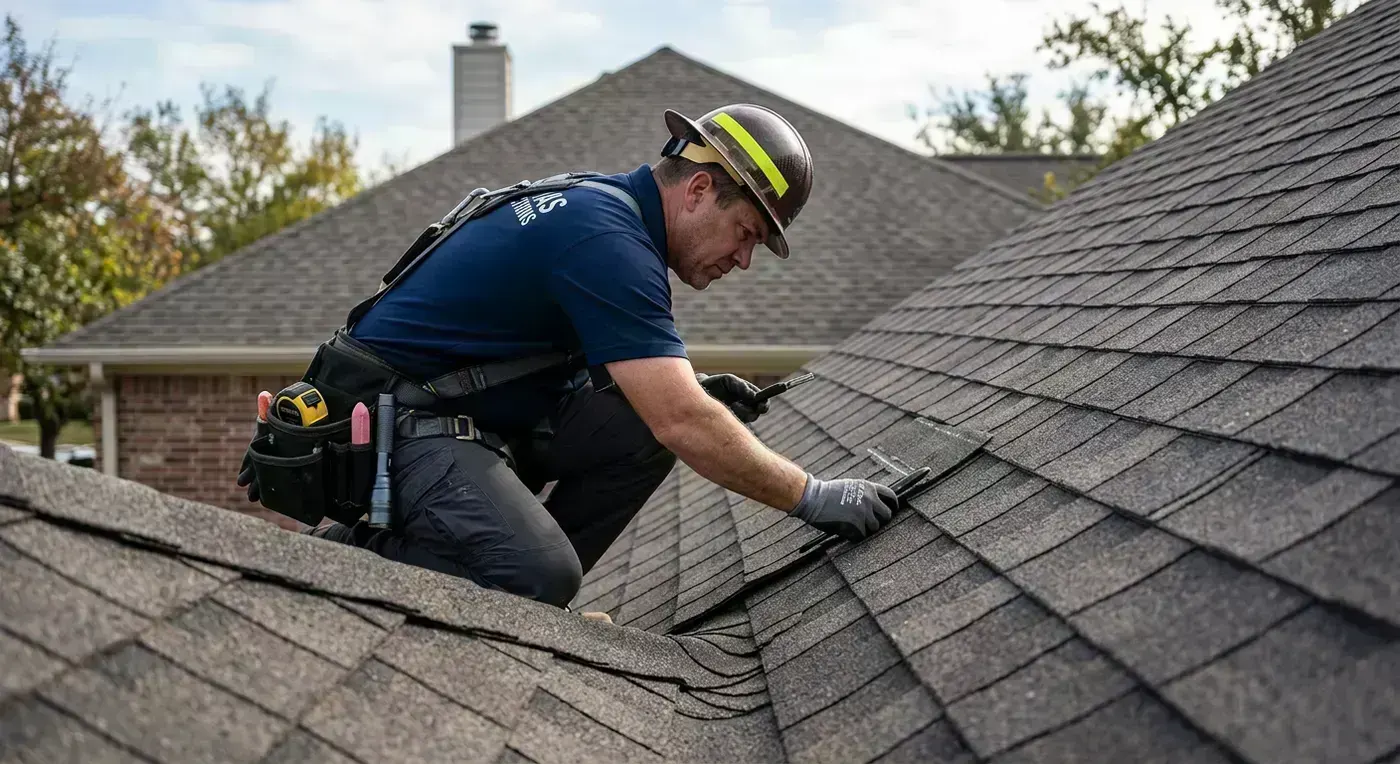
- Wind-creased and lifted tabs — especially on windward slopes and exposed edge lots with no trees.
- Broken sealant strips — once the factory seal fails, shingles flap and let water in.
- Ridge cap and flashing failures — often the first components to go on builder-grade roofs.
- Improper nailing — high or over-driven nails from fast production installs cause blow-offs.
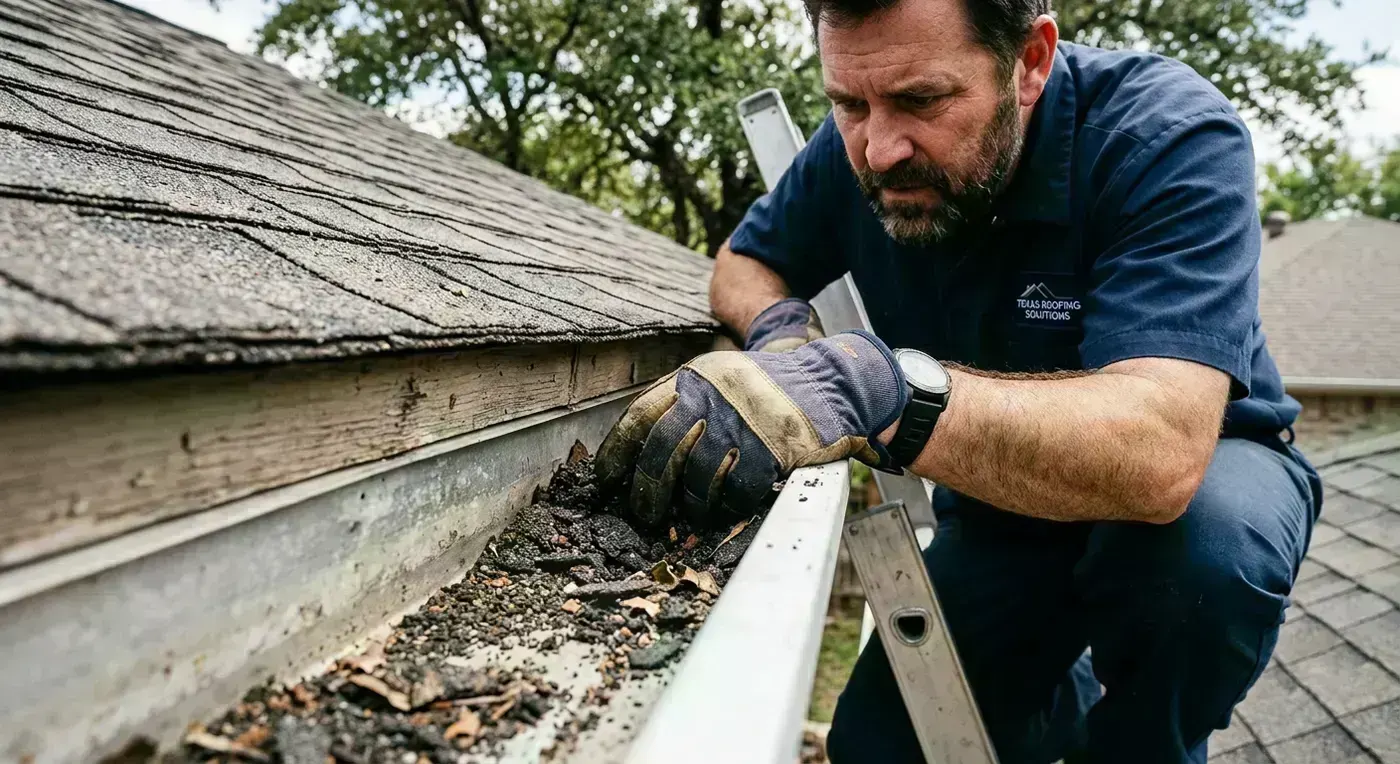
- Undersized or clogged gutters — new landscaping and open lots send a lot of debris and runoff.
Inspection advice for new homes (and end-of-warranty timing)
Because Celina roofs are new, many homeowners assume they don't need to think about the roof for years. That's a costly mistake in Hail Alley. Two timing points matter most:
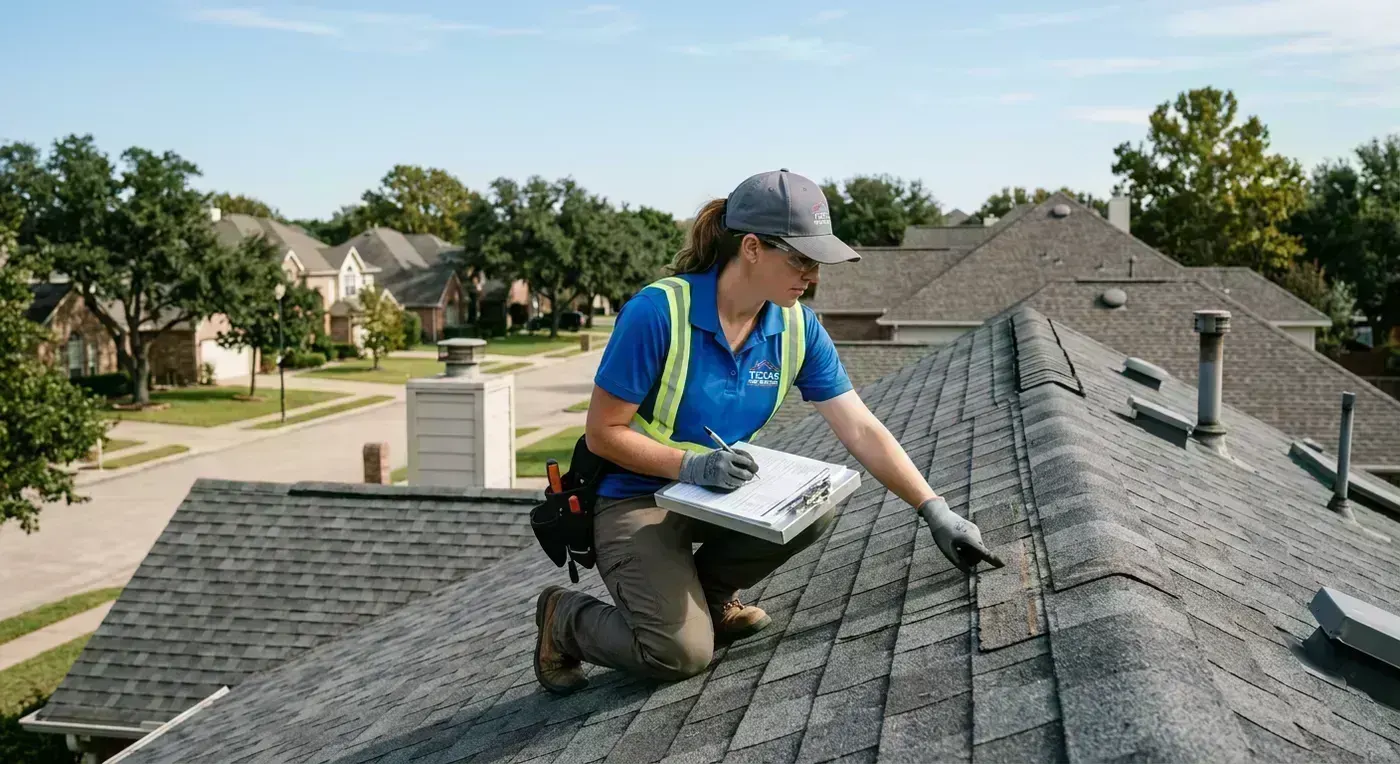
- Before your builder warranty ends. Builder workmanship warranties on a new home are often short — frequently one year for many components. Get a professional roof inspection before that window closes so any installation defects (bad nailing, missing starter, poor flashing) are documented and the builder is on the hook, not you.
- After every significant hail or wind event. Storm damage is time-sensitive for insurance claims. A dated inspection right after a storm protects your claim — and catches hidden bruising before it becomes a leak.
This is exactly where RoofDog's drone inspections earn their keep. We photograph every slope from above — no ladders scuffing your new shingles — and give you a dated, documented record of your roof's condition. It's fast, thorough, and gives you leverage with both your builder and your insurer. Book one through our Celina roofing service area page or schedule an inspection online.
Frequently asked questions
How long will my brand-new Celina builder roof actually last?
Realistically 15–22 years for builder-grade architectural asphalt on Celina's exposed prairie — often less if a major hailstorm hits first. The printed 25–30 year rating assumes ideal conditions that don't exist here.
Why do roofs here wear out faster than the warranty says?
Three reasons stack up in Celina: frequent DFW hail, high open-country wind with no tree cover, and thin builder-grade installs. Warranties are lab figures; they don't account for repeated storms.
My neighborhood is all the same age — does that matter?
Yes. Whole subdivisions built at once mean thousands of roofs age on the same clock. One big storm can trigger neighborhood-wide claims and crew shortages, so early documentation and planning give you an edge.
Is wind really that big a deal in Celina?
It's arguably the biggest quiet factor. Former farmland has no windbreaks, so exposed lots take full 50–70 mph gusts. Wind breaks shingle seals and lifts tabs, aging your roof faster than hail alone.
Should I upgrade to Class 4 shingles when I replace?
In Celina, almost always yes. Class 4 impact-resistant shingles survive hail far better and usually earn an insurance premium discount that offsets much of the upgrade cost over the roof's life.
When does my builder's roof warranty end?
It varies, but many builder workmanship warranties run just one year for a lot of components. Get a professional inspection before yours closes so installation defects become the builder's responsibility, not yours.
My roof looks fine after a hailstorm — am I safe?
Not necessarily. Hail often fractures the shingle mat under the granules without obvious surface damage. This hidden bruising causes leaks years later. Always get a dated inspection after a storm.
How often should I have my Celina roof inspected?
Every one to two years, and after any significant hail or wind event. New homes especially benefit from an inspection before the builder warranty expires.
Do you inspect without walking on my new shingles?
Yes. RoofDog uses drone inspections to photograph every slope from above — no ladders or foot traffic on your new roof — producing a dated, documented condition report.
Does the small historic downtown have different roofs?
Yes. Celina's historic core has genuinely old structures that have been re-roofed many times, unlike the new subdivisions. Older homes may have different decking, ventilation, and material needs that call for a tailored assessment.
Will a new roof lower my insurance in Celina?
A documented Class 4 impact-resistant roof typically qualifies for a premium discount with most Texas insurers. Keep your inspection report and shingle documentation to claim it.
How do I get started with RoofDog?
Call 940.828.ROOF, visit our Celina roofing page, or schedule an inspection online. We back our work with a lifetime workmanship warranty and give 10% of profits to dog rescues.
Summary
Celina exploded from farmland into one of America's fastest-growing cities, which means nearly every roof in town is young, builder-grade architectural asphalt — and they're all aging on the same clock. On this treeless, windswept prairie inside the DFW hail corridor, expect a realistic 15 to 22 years from that original roof rather than the 25–30 on the label. Wind and hail are the two forces that will decide your roof's fate; thin builder-grade details make things worse. Inspect before your builder warranty ends, inspect after every storm, and when it's time to replace, upgrade to Class 4 impact-resistant shingles with a proper high-wind install. RoofDog is here to help — drone inspections, a lifetime workmanship warranty, and 10% of profits to dog rescues. Protecting Homes. Saving Dogs. Call 940.828.ROOF or schedule your inspection today.
You Might Also Need
Need a Roof Inspection?
Get expert advice and a free estimate from North Texas's trusted roofing professionals.
Schedule Free Inspection