How to Avoid Roofing Scams After a DFW Hailstorm (2026 Guide)
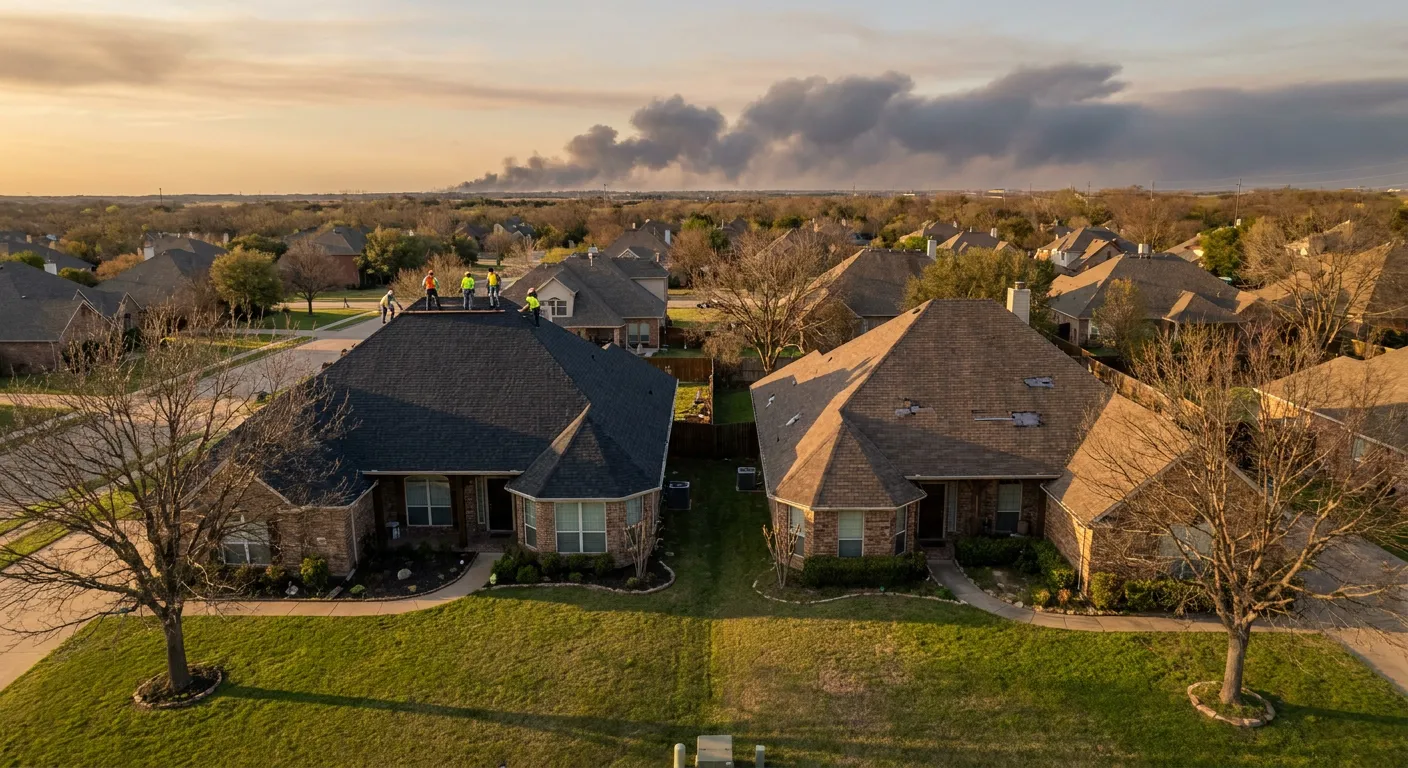
Spring in North Texas is a season of beauty, but for homeowners in Dallas, Fort Worth, and the surrounding suburbs, it is also a season of high anxiety. The DFW metroplex sits in the heart of Hail Alley. In 2026, the storms have already proven to be relentless, with golf-ball and baseball-sized hail battering roofs from Frisco down to Midlothian. While the physical damage to your home is stressful enough, a secondary threat emerges the moment the clouds part: roofing scams.
History repeats itself after every major weather event. Within 24 to 48 hours of a hailstorm, neighborhoods are swarmed by storm chasers—out-of-state contractors who follow weather maps to exploit vulnerable homeowners. These individuals are experts in high-pressure sales and insurance manipulation, but they often lack the licensing, integrity, and craftsmanship required to protect your biggest investment. This guide is designed to help DFW residents identify hail storm roofing scams, understand roofing contractor red flags, and navigate the insurance process without falling victim to roofing fraud in Texas.
The Psychology of the Post-Storm Scam
Scammers rely on two things: urgency and confusion. When a homeowner sees a neighbor''s roof being torn off or hears the terrifying sound of hail on their shingles, they are in a state of heightened emotional distress. Scammers capitalize on this by offering limited-time deals or claiming they are already in the area working with your neighbors.
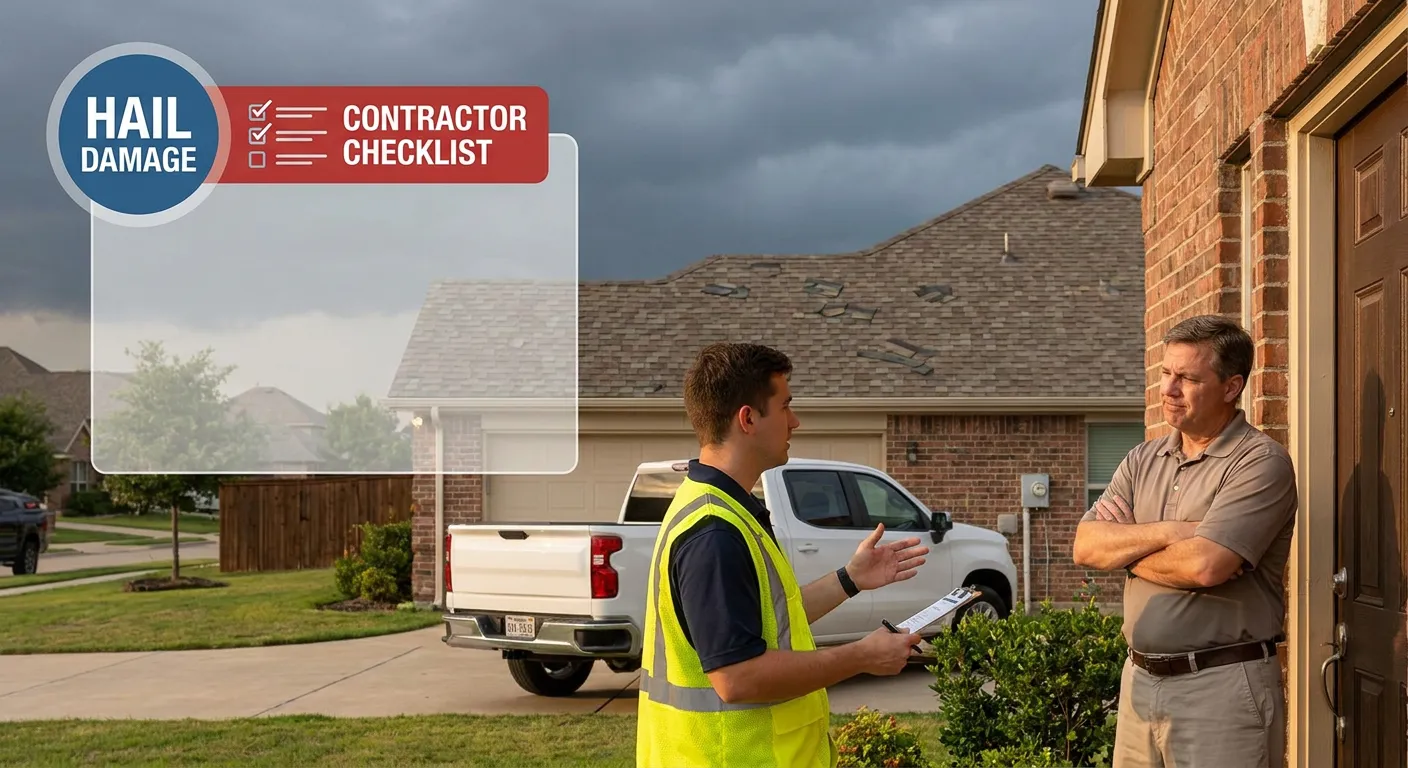
Understanding roofing scams in DFW starts with recognizing that a legitimate, high-quality local roofer doesn''t need to chase trucks or bang on doors immediately after a storm. In fact, the best local companies are usually booked solid within hours. If someone is at your door aggressively pushing a contract before you''ve even had time to call your insurance company, that is your first major red flag.
Common Roofing Scams to Watch For in 2026
1. The "Free Roof" or Deductible Waiver Scam
This is perhaps the most prevalent form of roofing fraud in Texas. A contractor will tell you they can waive your deductible or absorb the cost so that you get a new roof for $0 out of pocket. In 2019, Texas passed House Bill 2102, which made it explicitly illegal for roofing contractors to pay, waive, or rebate a homeowner''s insurance deductible. If a roofer offers to do this, they are asking you to participate in insurance fraud. Furthermore, they are likely cutting corners on materials or labor to make up for that lost revenue, leaving you with a substandard roof that may fail within a few years. Our roofing insurance claims guide explains exactly how a legitimate claim should be processed.
2. The "Door-to-Door" High-Pressure Sale
While some local companies do use canvassers, door-to-door roofers who demand an immediate signature on a contingency agreement are dangerous. These agreements often legally bind you to use that company if the insurance claim is approved. If you later find out the company has a terrible reputation or uses poor materials, you may be stuck paying a high cancellation fee to get out of the contract. Before you sign anything, read our guide on how to choose a roofing contractor.
3. The "Inadequate Repair" or "Surface-Level" Scam
Some storm chaser roofers will perform a quick fix or provide a very low estimate to win the job. They use low-grade shingles that don''t match your existing roof or fail to replace the underlayment and flashing. They take the insurance money, do the bare minimum, and vanish. When your roof starts leaking six months later, their phone number is disconnected, and they are three states away chasing the next storm. Compare apples to apples using our guide to comparing roofing estimates.
4. The Fake Damage Scam
Unscrupulous contractors have been known to create hail damage. They may use a ball-peen hammer or even a coin to mimic the look of hail impact on shingles during their free inspection. This is why you should always be present during an inspection or hire a trusted local expert who provides photo and video evidence of the damage. Our professional roof inspection documents every slope with drone imagery so nothing can be faked or missed.
Roofing Contractor Red Flags: How to Spot a Scammer
- Out-of-State Plates: If the truck in your driveway has plates from Florida, Ohio, or anywhere other than Texas, be extremely cautious. These tailgaters follow the hail.
- No Physical Office: A legitimate DFW roofer has a local office you can visit. If their address is a P.O. Box or a residential home in a different city, they aren''t truly local.
- Unmarked Vehicles: Professional companies invest in branding. Beware of unmarked white vans or trucks with magnetic signs that can be easily removed.
- Requests for Cash Upfront: Never, ever pay the full amount upfront. A reputable contractor may ask for a deposit once materials are delivered to your yard, but a request for a large cash payment before any work starts is a classic sign of roofing fraud.
- Generic Contracts: If the contract is a one-page document with vague language and no mention of specific materials, warranties, or timelines, do not sign it. Review our guide to roofing warranties to know what should be included.
Pro-Tip: Before signing anything, check the warning signs your roof needs replacement. Sometimes hail is purely cosmetic, and a reputable roofer will tell you if a full replacement is actually necessary or if minor repairs will suffice.
How to Protect Yourself: Step-by-Step
Step 1: Immediate Protection
If your roof is actively leaking after a storm, your first priority is mitigation. Do not wait for an adjuster. Contact a local company for emergency tarping services. This prevents further interior damage to your home, which insurance companies expect you to do as part of your policy obligations.
Step 2: Research Local Companies
Search for the best roofers in DFW. Look for companies with high ratings on the Better Business Bureau (BBB) and Google. Check how long they have been in business in North Texas specifically. A company that survived the 2016 and 2021 hail seasons has a proven track record of standing by their warranties.
Step 3: Verification of Insurance and Licensing
While Texas does not have a state-mandated roofing license, reputable contractors will be members of the Roofing Contractors Association of Texas (RCAT) and will carry substantial general liability insurance. Ask for their insurance certificate and call the agent to verify it is active.
Step 4: The Inspection
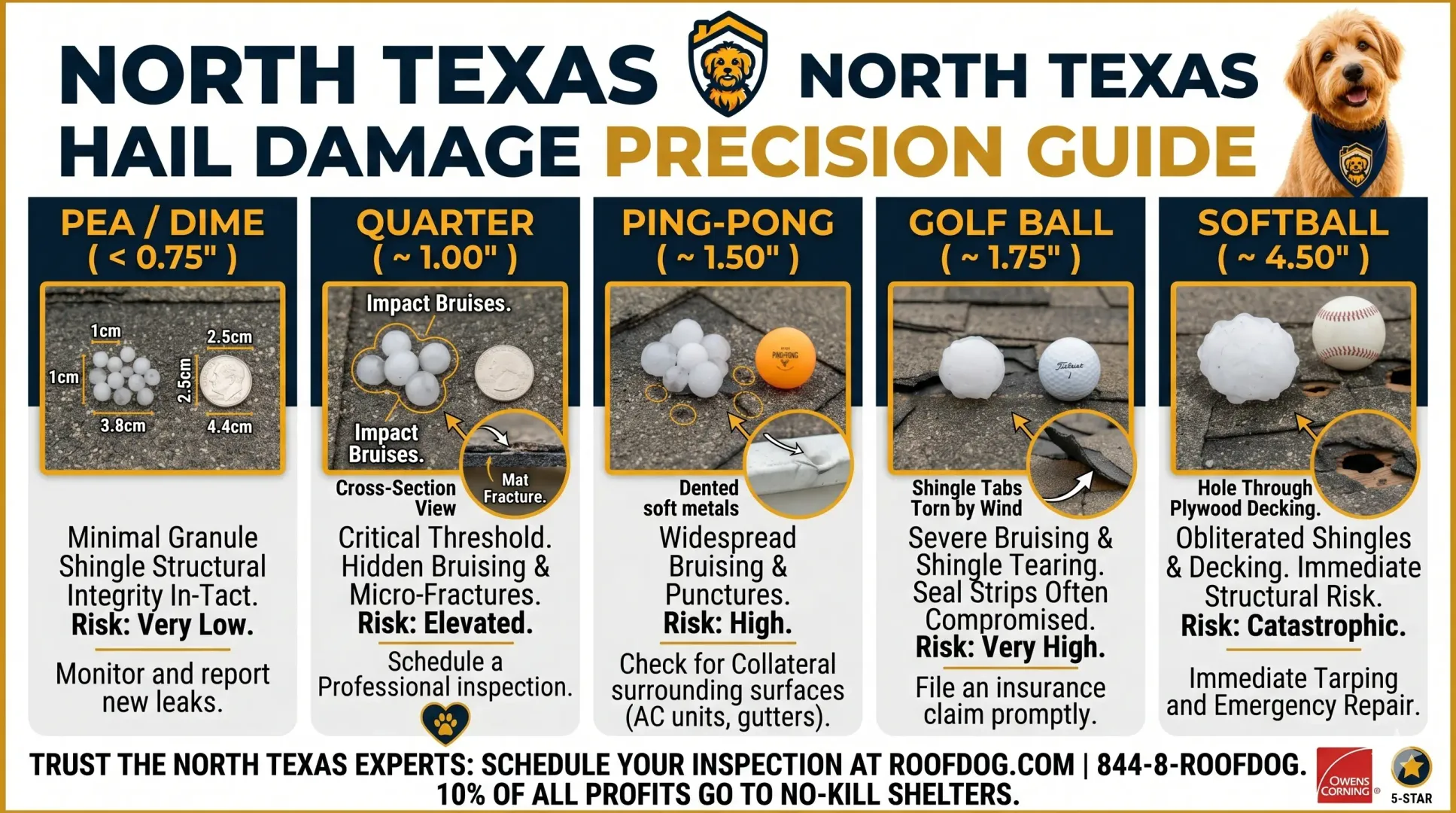
Request a detailed inspection report. A professional roofer will provide photos of the shingles, gutters, soft metals (like roof vents), and fencing. Hail damage is systemic; if there is damage on the roof, there is usually damage elsewhere. Compare this with our insurance claim guide and the complete checklist of what a roof inspection should include to ensure you are getting the full value of your policy.
Why Local Expertise Matters in North Texas
North Texas weather is unique. The heat-thaw cycles and the intensity of the sun mean that roofing materials here take a beating even when it isn''t hailing. Storm chaser roofers often don''t understand the local building codes or the specific ventilation needs of Texas homes. A local expert will recommend high-durability options, such as Class 4 impact-resistant shingles, which can withstand high winds and impact, potentially lowering your insurance premiums in the future.
The Dangers of Insurance Scams
In 2026, insurance companies are more vigilant than ever regarding insurance scams. If you submit a claim based on a fraudulent estimate or a contractor who padded the bill, you could find yourself under investigation. Furthermore, if the contractor fails to pay their material suppliers (a common tactic among scammers), the supplier can place a mechanic''s lien on your home—even if you paid the contractor in full. Always ask for a lien waiver upon final payment to protect yourself.
Conclusion: Trust the Dogs, Not the Chasers
At RoofDog, we live and work in the same DFW communities you do. We don''t need to chase storms because our reputation for quality and honesty keeps us busy year-round. Avoiding roofing scams comes down to patience and due diligence. Don''t let the sound of hail lead to the sound of a scammer knocking on your door. Take a breath, do your research, and choose a local partner who will be here long after the clouds have cleared.
Suspect Hail Damage? Don''t Get Scammed.
Get a professional, honest inspection from the DFW experts. We provide transparent reports and work directly with your insurance to ensure you get a fair shake.
Appendix: Detailed Breakdown of Texas Roofing Law HB 2102
To truly understand roofing fraud in Texas, one must look closely at the legislation designed to prevent it. House Bill 2102 was a landmark piece of legislation for the Texas roofing industry. Before this law, the free roof pitch was the industry standard for storm chasers. They would inflate the invoice sent to the insurance company, allowing them to cover the homeowner''s deductible. While this sounded like a win for the homeowner, it was technically a kickback and constituted insurance fraud.
Under the current law, insurance companies have the right to request proof that the deductible was paid. This can include a canceled check, a credit card receipt, or a copy of a financing agreement. If a contractor tells you they can hide the deductible in the overhead and profit section of the claim, they are inviting you to commit a felony. At RoofDog, we prioritize your legal safety and financial integrity by adhering strictly to Texas law, ensuring that your claim is processed legitimately and your property rights are protected.
The Long-Term Impact of Storm Chasers on DFW Neighborhoods
When storm chaser roofers invade a neighborhood like Preston Hollow, Southlake, or Willow Bend, the impact lasts long after they leave. Because these crews are often paid by the square (a 10x10 foot area of roofing) and move quickly to the next job, they often ignore critical details. We have seen roofs in Plano where the new roof was installed directly over old, rotting decking because the out-of-state crew didn''t want to spend the time or money to replace the wood. We have seen vent pipes that weren''t flashed correctly, leading to slow leaks that rot out ceiling joists over several years.
By the time the homeowner discovers these issues, the tailgater company has dissolved their LLC and reappeared under a new name in another state. This creates a cycle of re-roofing that drives up insurance premiums for everyone in the DFW metroplex. Investing in a local, reputable roof replacement isn''t just about your roof; it''s about maintaining the property values and insurance stability of our entire North Texas community.
Modern Technology vs. Scammer Tactics
In 2026, technology is our best weapon against roofing scams. High-resolution satellite imagery and drone inspections allow companies like RoofDog to see damage that the naked eye might miss—and conversely, to prove when damage isn''t there. If a roofer refuses to show you high-definition photos of the purported damage, or if they insist on going up on the roof alone without a drone or camera, they may be trying to hide their manufacturing of hail hits. Demand transparency. A real professional will be happy to show you exactly what they see on your roof, explaining the difference between functional damage (which impacts the life of the roof) and cosmetic damage.
Ultimately, your roof is your home''s first line of defense. In the wake of a DFW hailstorm, don''t let a scammer breach that defense. Keep this guide handy, share it with your neighbors, and remember that when it comes to your home, if an offer sounds too good to be true, it almost certainly is.
You Might Also Need
Need a Roof Inspection?
Get expert advice and a free estimate from North Texas's trusted roofing professionals.
Schedule Free Inspection